When you hear the phrase “female autism symptoms of social communication deficits,” it might sound like a medical textbook, but it’s really a roadmap to a more inclusive world. Women and girls with autism often navigate social waters that feel like a maze of invisible rules. Diagnostic criteria Understanding the subtle signs—whether you’re a parent, teacher, or friend—can turn a confusing day into a clearer path. This article walks through the most common symptoms, offers real‑life stories, and gives practical tips to support those who may be quietly struggling.
The Hidden Landscape of Female Autism
Why It Often Goes Unnoticed
Many clinicians still picture autism as the stereotypical “boy with a broken pencil.” That image blinds us to the fact that girls frequently mask their challenges, learning to mimic social cues so well they become invisible to the eye. Because of this, their symptoms can slip past even seasoned professionals.
Social Communication Deficits in Women
Women with autism often display:
- Conversation challenges: Difficulty initiating or maintaining back‑and‑forth dialogue. Nonverbal cue misreading: Misinterpreting eye contact, facial expressions, or body language. Friendship struggles: Finding it hard to form or keep close peer relationships.
These deficits weave into everyday life, making even routine interactions feel like walking a tightrope.
Key Symptoms to Watch For
Conversation Challenges
- “I just can’t keep up when someone talks about something I don’t know about.”
This is a classic sign. Women may find themselves mentally scrolling through a mental list of topics they’re comfortable with, skipping others entirely.
Nonverbal Cues and Body Language
- Poor eye contact or overly intense staring. Misreading sarcasm or humor. Difficulty matching tone to the situation.
Friendships and Social Circles
- A small, tight‑knit group of friends rather than a wide network. Feeling isolated even in crowded rooms. A tendency to withdraw after a social event.
Recognizing these patterns can prompt earlier conversations and support.
Real‑Life Stories and Anecdotes
A Day in the Life of Maya
Maya, a 24‑year‑old graphic designer, wakes up every morning with a list of “social survival tasks.” She spends 15 minutes rehearsing small talk about the weather, rehearses a friendly smile, and then goes to work. At lunch, she feels her heart race as she watches colleagues chat about weekend plans she knows nothing about. After a long day, she retreats to her apartment, feeling both relieved and exhausted. Maya’s story illustrates how the invisible load of social communication deficits can feel like carrying a backpack full of stones—heavy, but not always visible to others.

Practical Tips for Parents, Educators, and Friends
Creating Inclusive Environments
- Use clear, literal language: Avoid idioms that might confuse someone who processes language more concretely. Provide visual schedules: A visual roadmap of the day can reduce anxiety about unexpected interactions. Encourage peer mentors: Pairing with a supportive buddy can bridge the gap between “weird” and “understanding.”
Encouraging Self‑Advocacy
- Ask open‑ended questions: “What would make you feel comfortable in this situation?” Validate feelings: “It’s okay to feel overwhelmed; you’re not alone.” Offer resources: Books, support groups, and therapy options tailored to women.
When to Seek Professional Support
Assessment and Diagnosis
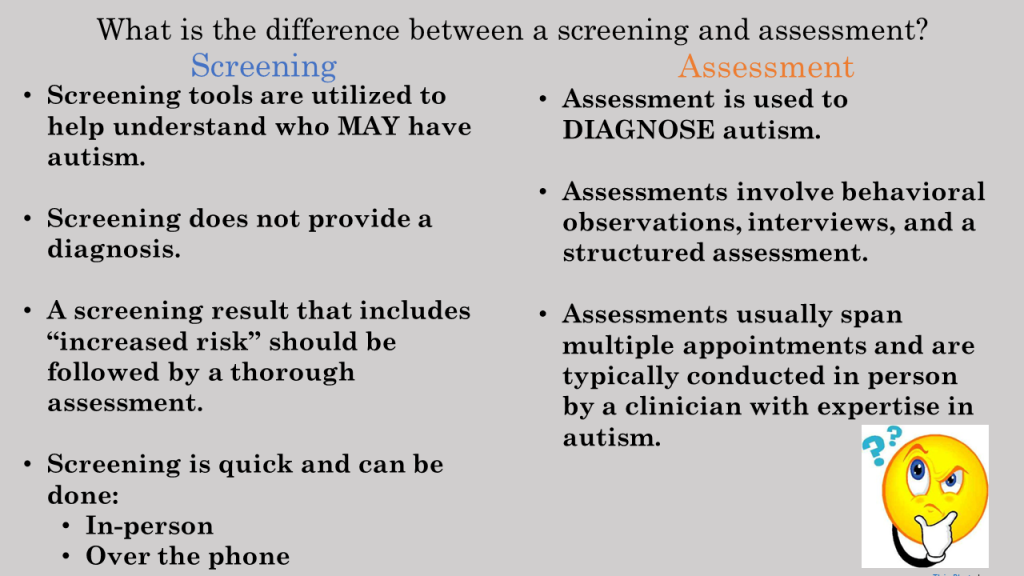
If symptoms persist into adulthood, a comprehensive evaluation can uncover underlying autism. Early diagnosis often leads to targeted interventions that make a tangible difference.
Therapy Options
- Social skills groups: Structured settings to practice conversation. Cognitive‑behavioral therapy (CBT): Helps reframe thoughts that fuel social anxiety. Occupational therapy: Focuses on daily living skills and sensory integration.
Empowering Women with Autism
Building Strengths and Interests
Many women with autism possess intense focus and creativity. Highlighting these strengths can boost confidence and counteract feelings of inadequacy.
The Power of Community
Joining online forums or local meet‑ups can provide a sense of belonging. As Dr. Temple Grandin once said, “Autism is not a disorder, it’s a different way of being.” Finding a community that celebrates that difference is a vital step toward empowerment.
Charting a Bright Future Together
What if we treated every conversation as a chance to learn, not just a test? By recognizing the female autism symptoms of social communication deficits, we can shift from a “fix‑it” mindset to one of support and understanding. Small changes—like offering a clear agenda for a meeting or encouraging a quiet friend to share their thoughts—can ripple into larger cultural shifts.
If you suspect someone you care about might be navigating these challenges, start with a gentle conversation. Ask, “How can I support you?” The answer might be the first step toward a brighter, more inclusive future for everyone.